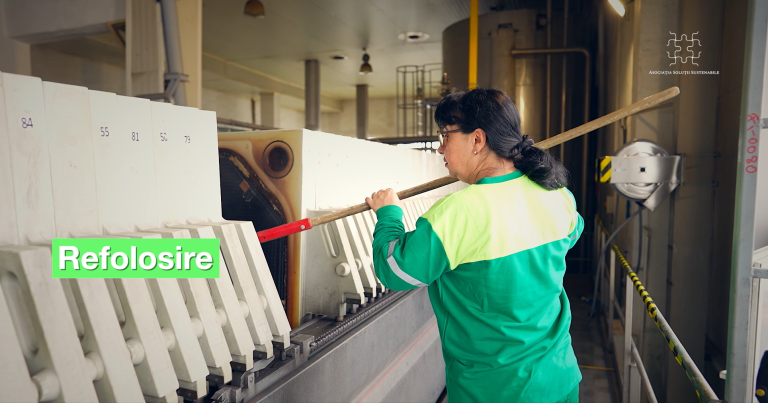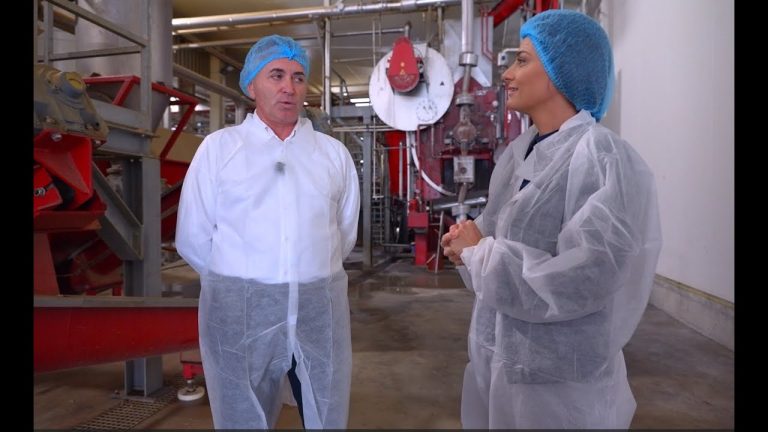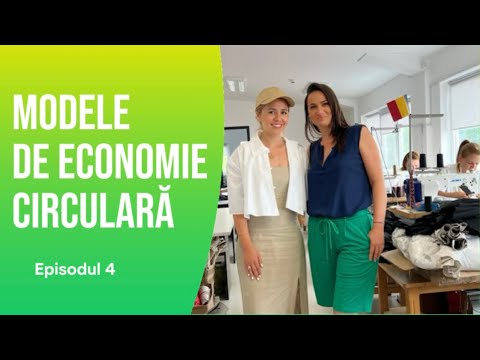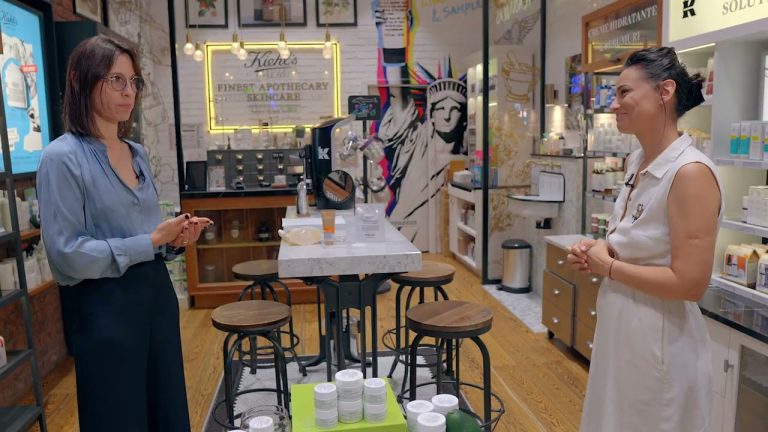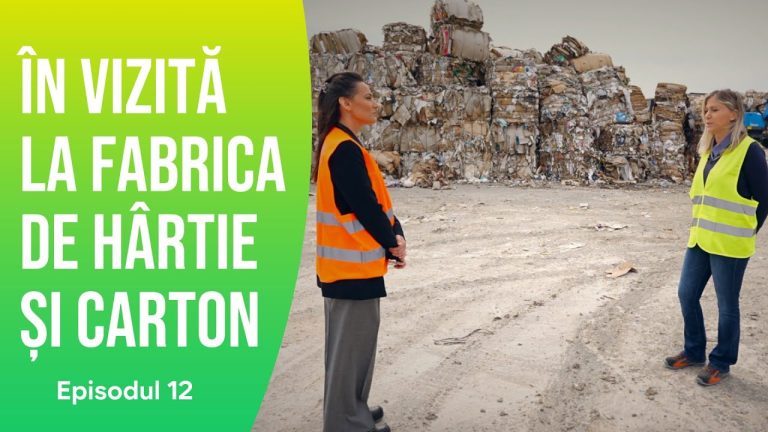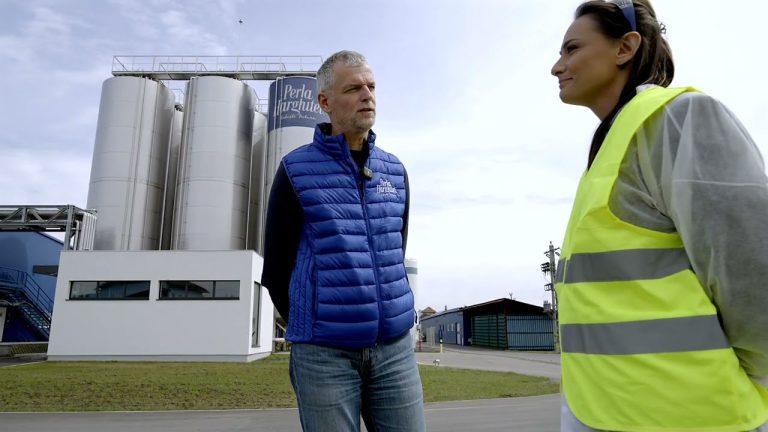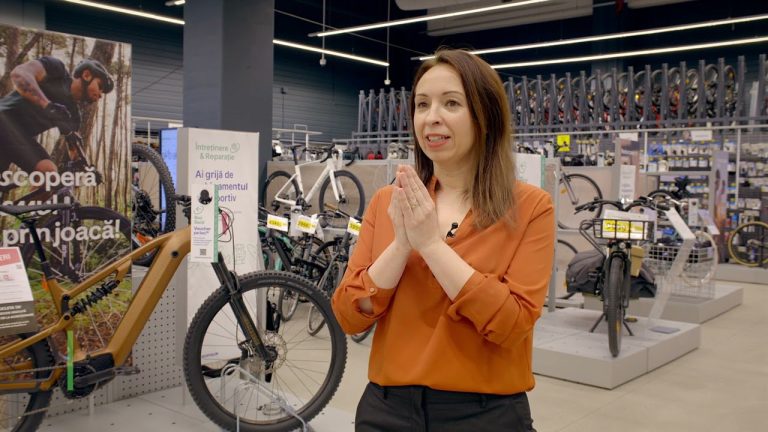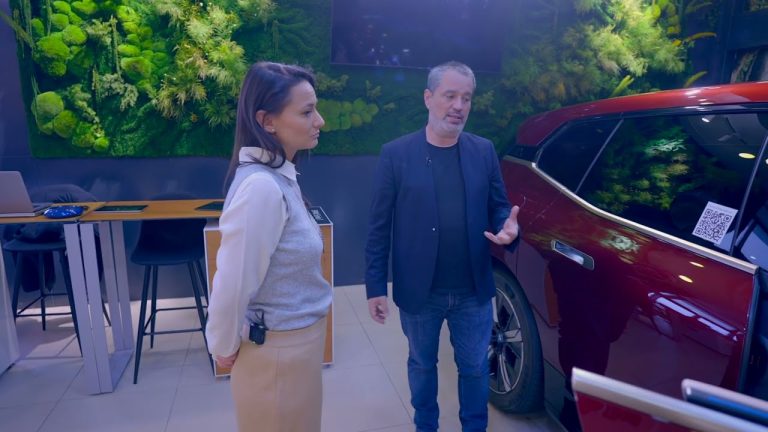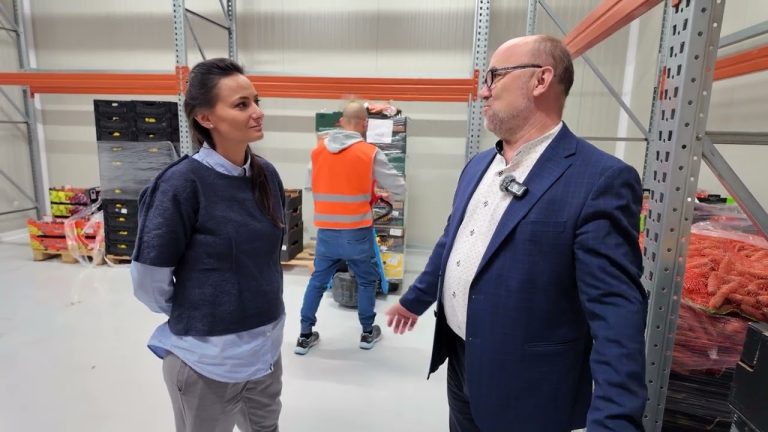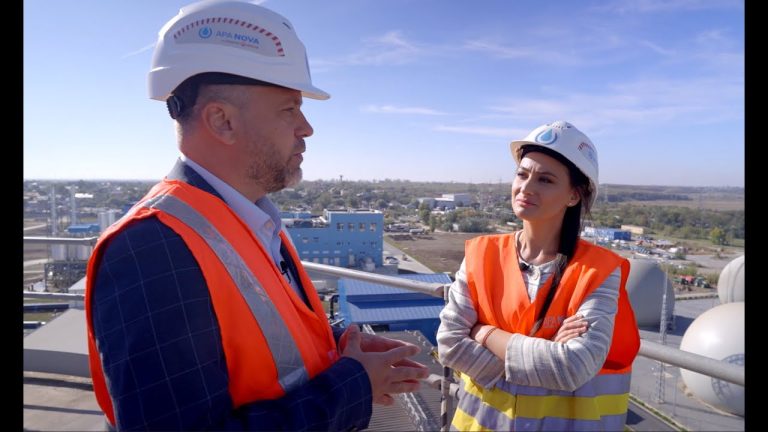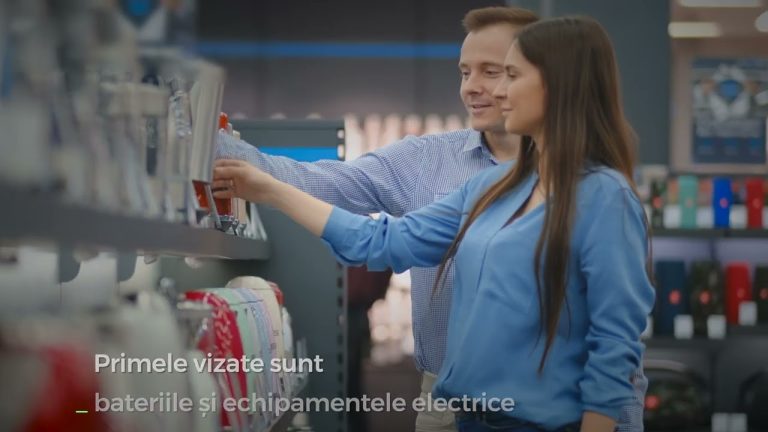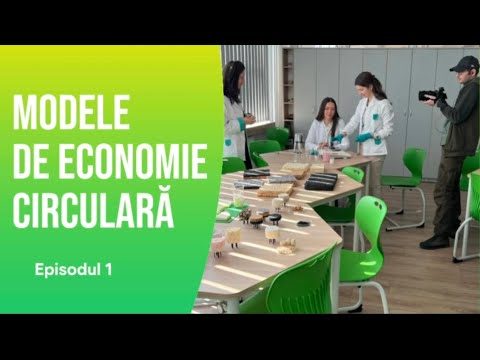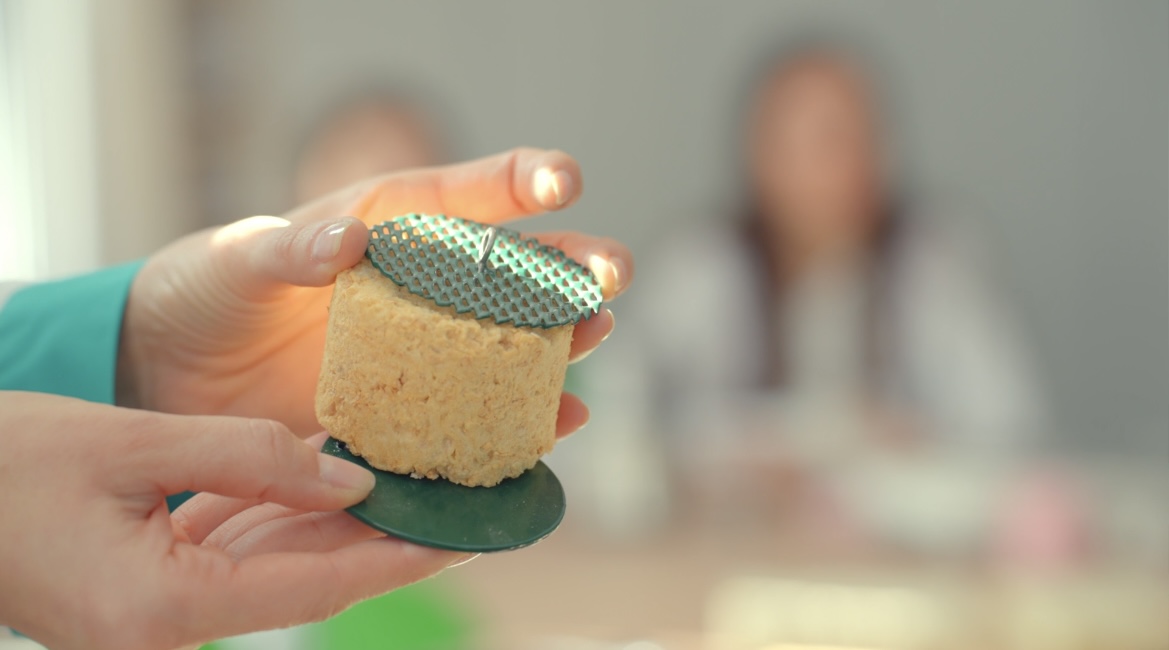
Series of video reports showcasing examples of good circular economy practices in various industries each month.
Context. Why such a campaign was needed
Our economic model is predominantly linear, based on the principle "Produce-Consume-Dispose". This is how most products are used.
This translates into enormous amounts of waste, pollution, many resources consumed, and ultimately, the risk for companies of being unable to continue their activities due to lack of resources. Therefore, we consume annually more than the planet can regenerate.
The circular approach involves decoupling economic growth from the use of raw material resources by extending the life cycle of products, whether we are talking about sharing items, renting, reusing, repairing, renovating, or recycling.
At the level of the European Union, the degree of circularity is 11.7%. While the target, by 2050, is for the entire economy to become circular.
The situation in Romania
Only 1.3% of Romania's economy is circular, according to the European Court of Auditors.
To increase this percentage, we have a Circular Economy Strategy launched in 2022 and an Action Plan for this strategy launched in 2023. These initiatives confirm that the necessary theoretical basis exists.
How we move from theory to practice is the key question that this campaign aims to answer, carried out with the support of Stratos, an environmental consulting company with over 10 years of experience in the market, which contributed as a consultant to the development of Romania's Circular Economy Strategy and the Action Plan for implementing this strategy.